
TERE INSPIRES US: TOGETHER WE FIGHT FOR EMMA
TERE INSPIRES US: TOGETHER WE FIGHT FOR EMMA
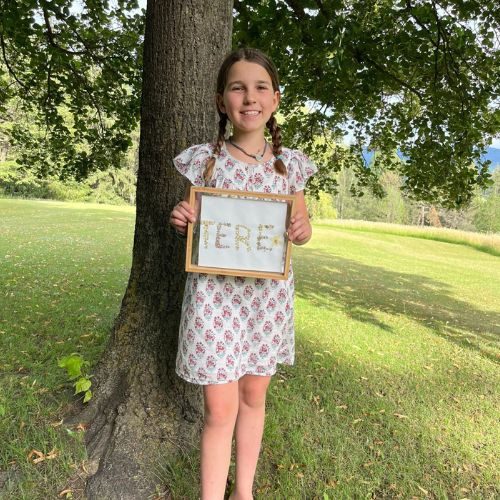
Today, 14th of July, Tere would turn 41. On this special occasion she will be very present in our thoughts with the memory of that warm affection she always showed all of us. For those who didn’t have the chance to meet her, we would like to start by introducing her. Tere was an astonishingly strong fighter. At the end of 2018, when she was only 35 years old, she was diagnosed with breast cancer and in 2020 with bone metastasis. She passed away on June 11th. Times were tough, but her will to fight, to love and to be incredibly generous with everyone around her became even stronger. And her vitality will forever remain an inspiration for those of us who had the pleasure of being near her.
“Tere irradiated peace, with her joy and permanent smile, you could never imagine to what extent she was suffering. She had the gift of seeing problems from a perspective that made them seem like there was always a solution. She lived a profound life, enjoying each moment as if it was the most important. When you were with her, the world shined brighter”, her mother Cristina tells us.
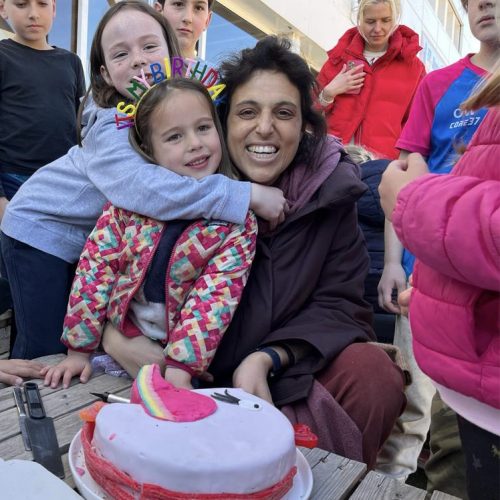
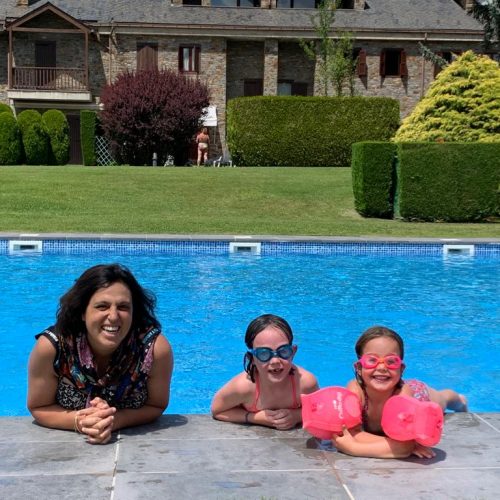
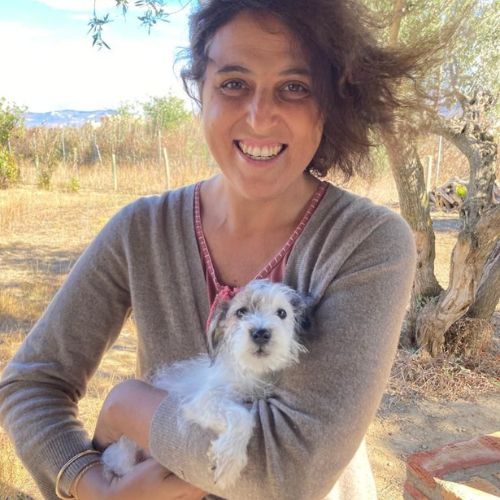
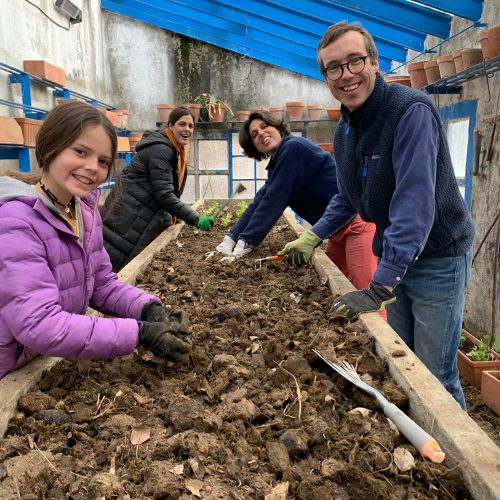
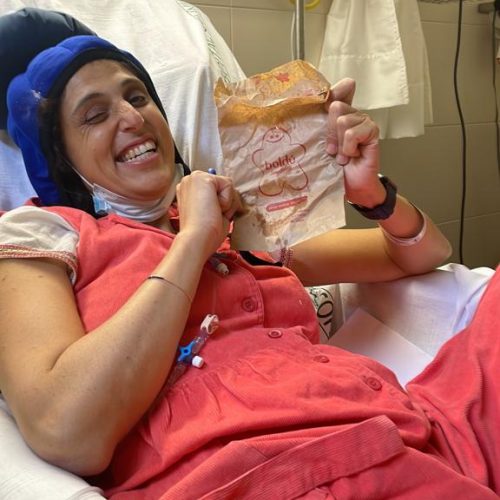
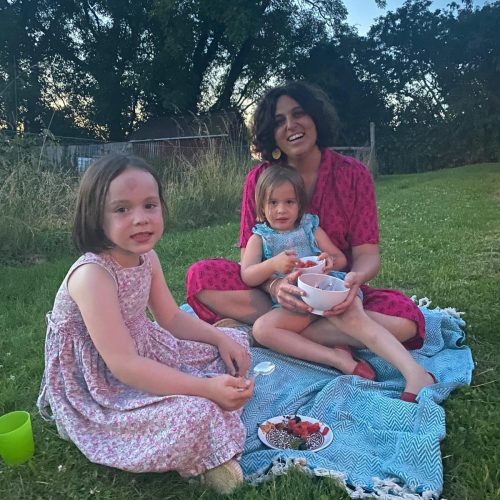
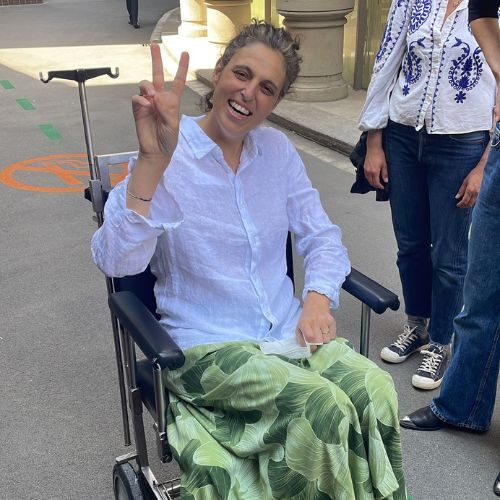
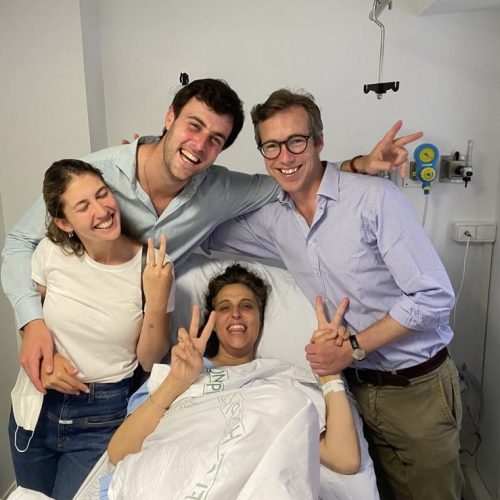
As a homage, some members of her family and close friends, have decided to share her last will: to start a crowdfunding campaign to help Emma Teixidó who suffers from OTC deficiency – an inherited metabolic urea cycle disorder – to promote the development of a domestic biosensor that will help improve immensely her quality of life.
TERE AND EMMA, A VERY SPECIAL BOND
TERE AND EMMA, A VERY SPECIAL BOND
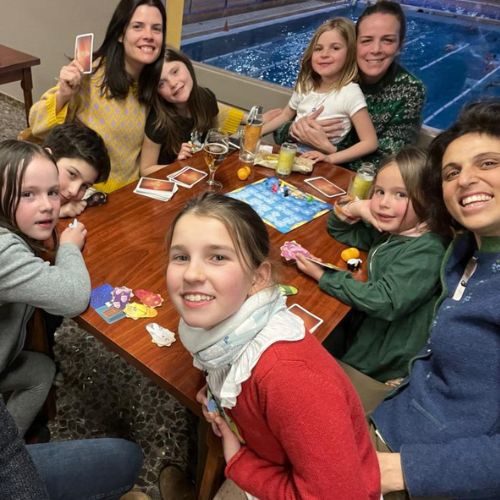
Emma is a 10 year old girl, daughter of Leticia Fernández and Narcís Teixidó. Tere befriended them very soon after moving to La Cerdaña, in the Spanish Pyrenees. From day one they understood each other and connected “as if they had been lifelong friends”. They would have long talks about the diseases they had to live with and they gave each other great emotional support.
They both faced adversity through a positive lens: not through suffering, angst or victimism, but focusing on all the good it brought them. So they would share hospital anecdotes, they would chat about their treatments, the doctors and nurses. And it would make them both feel grateful for all the support medicine and the medical professionals offered so that they could have a better everyday reality.
Today Emma remembers Tere from the bottom of her heart: “Tere is our example, she always found the bright side of life, even through disease and death”.
Emma is a 10 year old girl, daughter of Leticia Fernández and Narcís Teixidó. Tere befriended them very soon after moving to La Cerdaña, in the Spanish Pyrenees. From day one they understood each other and connected “as if they had been lifelong friends”. They would have long talks about the diseases they had to live with and they gave each other great emotional support.
They both faced adversity through a positive lens: not through suffering, angst or victimism, but focusing on all the good it brought them. So they would share hospital anecdotes, they would chat about their treatments, the doctors and nurses. And it would make them both feel grateful for all the support medicine and the medical professionals offered so that they could have a better everyday reality.
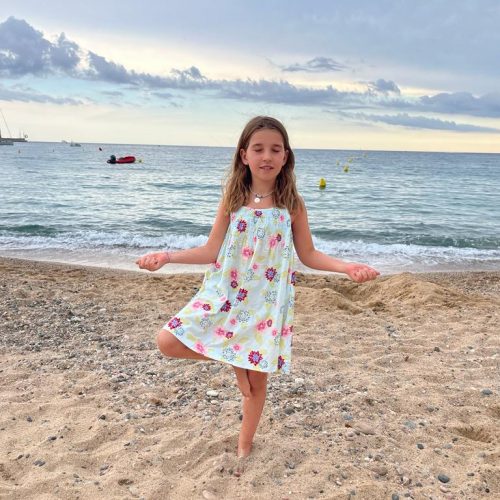
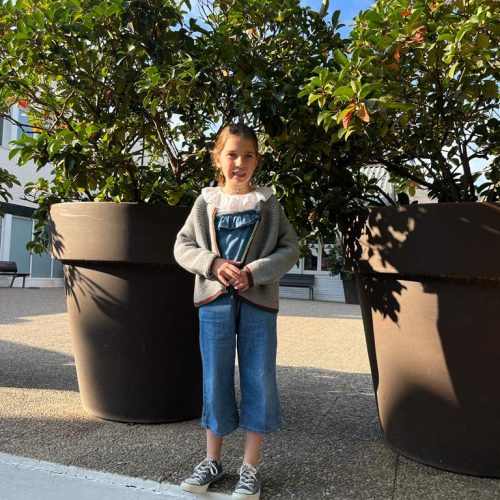
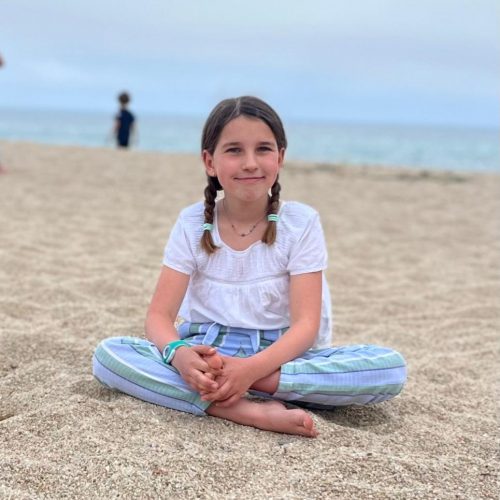
Today Emma remembers Tere from the bottom of her heart: “Tere is our example, she always found the bright side of life, even through disease and death”.
WHAT IS OTC - ORNITHINE TRANSCARBAMYLASE DEFICIENCY?
WHAT IS OTC - ORNITHINE TRANSCARBAMYLASE DEFICIENCY?
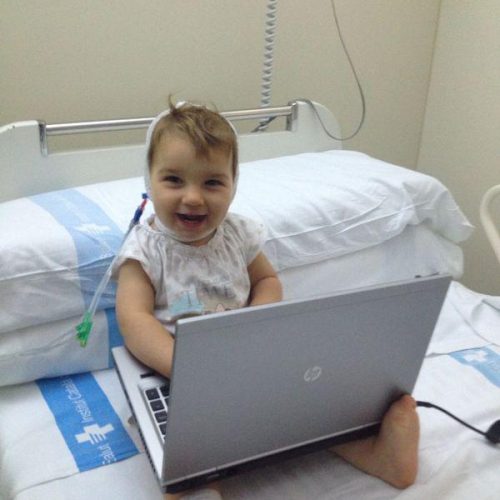
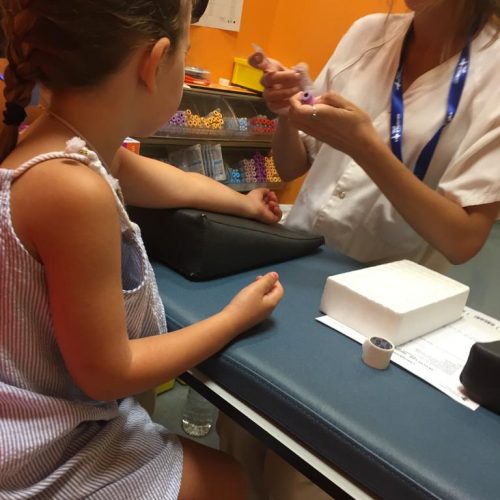
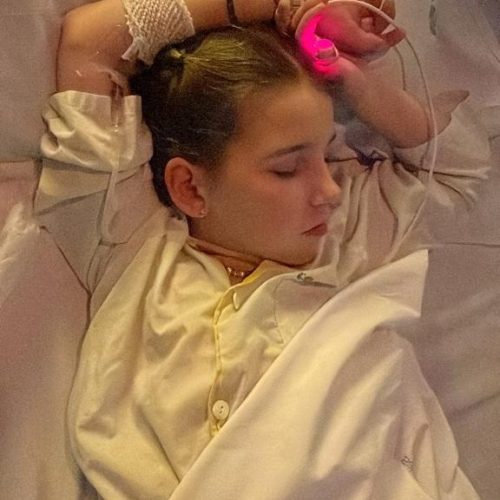
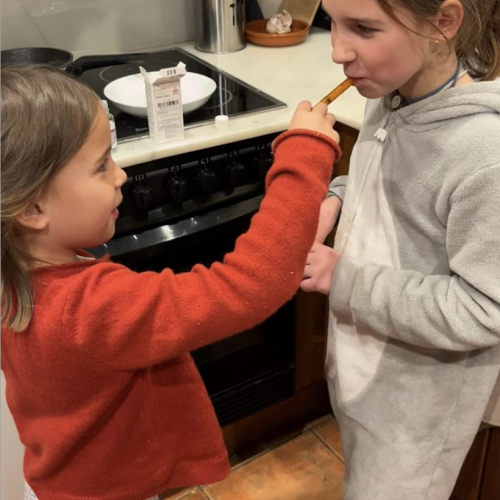
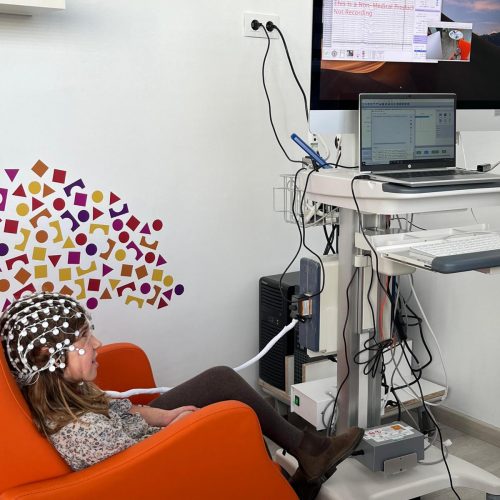
OTC Deficiency is an inherited, non-curable metabolic disorder that prevents the body from eliminating ammonium properly. Ammonium is a waste product that originates when the body breaks down proteins. Hyperammonaemia or high ammonium concentration in the blood can be extremely serious for development, especially in newborns. Ammonium is a neurotoxicant that, in excess, can cause irreversible brain damage and, in extreme cases, even sudden death.
OTC Deficiency is considered a “rare” condition as it is uncommon on a global scale. Since it is a genetic disorder it can develop throughout one’s life. “Emma manifested it when she was only one and a half years old. Thanks to the early diagnosis she didn’t suffer any neurological damage. But there’s a lot of children with whom it manifests at birth. As it is not included in the heel test, it normally isn’t diagnosed on time and the consequences can be very dangerous”, stresses Leticia, Emma’s mum.
OTC Deficiency is an inherited, non-curable metabolic disorder that prevents the body from eliminating ammonium properly. Ammonium is a waste product that originates when the body breaks down proteins. Hyperammonaemia or high ammonium concentration in the blood can be extremely serious for development, especially in newborns. Ammonium is a neurotoxicant that, in excess, can cause irreversible brain damage and, in extreme cases, even sudden death.
OTC Deficiency is considered a “rare” condition as it is uncommon on a global scale. Since it is a genetic disorder it can develop throughout one’s life. “Emma manifested it when she was only one and a half years old. Thanks to the early diagnosis she didn’t suffer any neurological damage. But there’s a lot of children with whom it manifests at birth. As it is not included in the heel test, it normally isn’t diagnosed on time and the consequences can be very dangerous”, stresses Leticia, Emma’s mum.
WHAT’S EMMA’S DAY TO DAY ROUTINE LIKE?
WHAT’S EMMA’S DAY TO DAY ROUTINE LIKE?
Emma’s challenge, and that of all those who suffer from her condition, is that everyday they must ensure a balance between the proteins they eat and the amount their body is capable of metabolizing; a very delicate monitoring is needed.
The parents’ dedication, a close monitoring from the doctors and an adequate education about nutrition are indispensable. Even so, even with the slightest suspicion of any risk, the only way to verify with precision the levels and the state of the patient, is via a blood test in a certified hospital. The results take a couple of days, so during that time they have to live under great stress and fear.
Innovation is a necessary priority. For those affected it will be a game changer to have a device at home which enables them to measure the ammonium level in their blood stream so that they can take measures on time. A biosensor would significantly improve the monitoring and study of those affected by the condition, and it would help families feel calm and safer in their everyday life.
In Spain, there’s around one hundred families who, like the Teixidó Fernández, want an ammonium biosensor, similar to the one used by diabetics to monitor their insulin levels. However, the research project costs more than 390.000€ and they can’t find a company interested in developing the product. For now they have gained some ground in a project between the PKU and Other Metabolic Hereditary Disorders Foundation, with the help of the Laboratory of Metabolic Heredetary Diseases of San Joan de Deu Hospital in Barcelona, and the Universidad Autonoma de Barcelona, led by Dr. Rafael Artuch and Dr. María del Mar Pujol. The research is expensive and complex, the prototype is already developed, but they need to work to adapt it for personal use.
You can read about the research by clicking on the following link: Documento Resumen de planificación del dispositivo de amonio
Control is key on a day to day basis and it creates constant stress, her parents mustn’t forget to write down all the readings and make sure she takes all her prescribed medicines before each meal. There are also other factors that can break her balance, from a simple fever to stress or gastroenteritis.
In the following video the Teixidó Fernández family share their testimony so that we can see what an impact the disease has on their daily life:
DOMESTIC BIOSENSOR AMMONIUM PROJECT
DOMESTIC BIOSENSOR AMMONIUM PROJECT
Emma’s challenge, and that of all those who suffer from her condition, is that everyday they must ensure a balance between the proteins they eat and the amount their body is capable of metabolizing; a very delicate monitoring is needed. A wrong monitoring could result in irreversible brain damage.
The parents’ dedication, a close monitoring from the doctors and an adequate education about nutrition are indispensable. Even so, even with the slightest suspicion of any risk, the only way to verify with precision the levels of proteins and ammonium in the blood, and the state of the patient, is via a blood test in a certified hospital. The results take a couple of days, so during that time the family has to live under great stress and fear.
Innovation is a necessary priority. For those affected it will be a game changer to have a device at home which enables them to measure the ammonium level in their blood stream so that they can take measures on time. A biosensor would significantly improve the monitoring and study of those affected by the condition, and it would help families feel calm and safer in their everyday life.
In Spain, there’s around one hundred families who, like the Teixidó Fernández, want an ammonium biosensor, similar to the one used by diabetics to monitor their insulin levels. However, the research project costs more than 390.000€ and they can’t find a company interested in developing the product. For now they have gained some ground in a project between the PKU and Other Metabolic Hereditary Disorders Foundation, with the help of the Laboratory of Metabolic Heredetary Diseases of San Joan de Deu Hospital in Barcelona, and the Universidad Autonoma de Barcelona, led by Dr. Rafael Artuch and Dr. María del Mar Pujol. The research is expensive and complex, the prototype is already developed, but they need to work to adapt it for personal use.
You can read about the research by clicking on the following link: Documento Resumen de planificación del dispositivo de amonio
HOW CAN YOU DONATE?
HOW CAN YOU DONATE?
Emma needs our help! Help fund this cause which will massively improve her quality of life and the lives of other children living with this condition by clicking on the following link: https://fundacionpkuotm.org/colabora/