biosensores-bg

The Biosensor Project

We are working to develop and validate an ammonium biosensor for the future home application of patients, which will make a faster detection of episodes of hyperammonemia and hyperphenylalaninemia, with the establishment of early corrective measures.

This project was born from the PKU and OTHER HEREDITARY METABOLIC DISORDERS FOUNDATION together with the Hereditary Metabolic Diseases laboratory of the Sant Joan de Déu Hospital, led by Dr. Rafael Artuch, and together with the Autonomous University of Barcelona.

This innovation will allow to significantly improve the control and study of those affected, it will help families who live with this day to day to feel calmer and safer, but above all it will allow them to dedicate themselves more to what really matters: enjoying each instant with their children so they can fulfill their dreams without strings attached.

4-La PKU Trabajo de investigación 2 Bachillerato

The PKU: Research work 2nd Baccalaureate

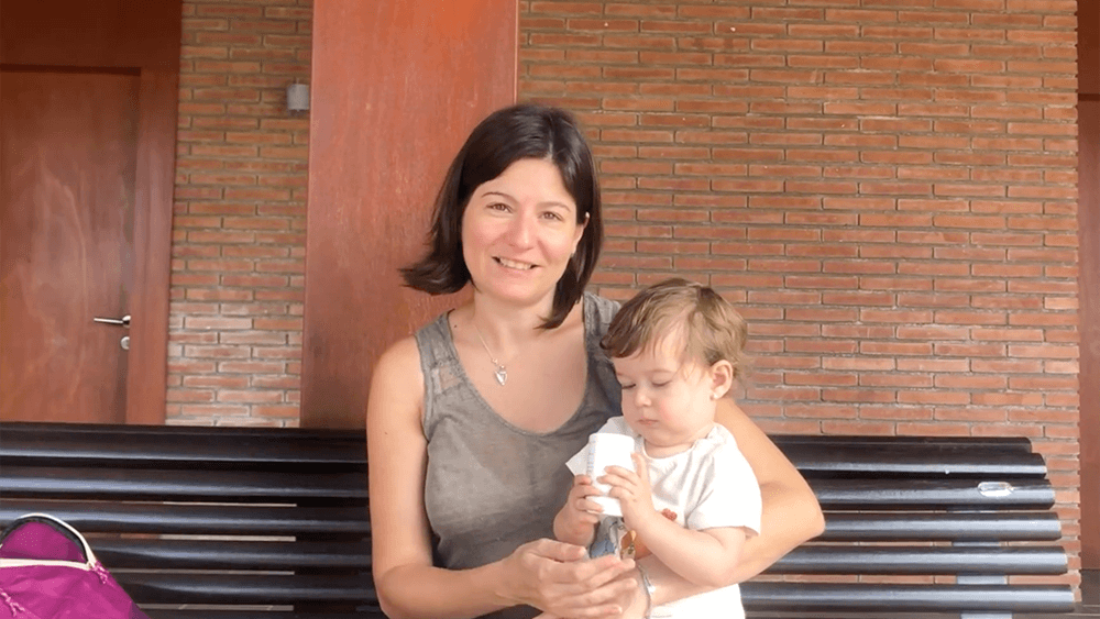
With the collaboration of the Catalan Association of Hereditary Metabolic Diseases and the doctors of the Sant Joan de Déu Hospital. Based on a research work in the 2nd year of Baccalaureate, by Blanca Ferrús Cabré.

Watch the video 

3-Aroa tiny

‘PKU’, a rare metabolic disease

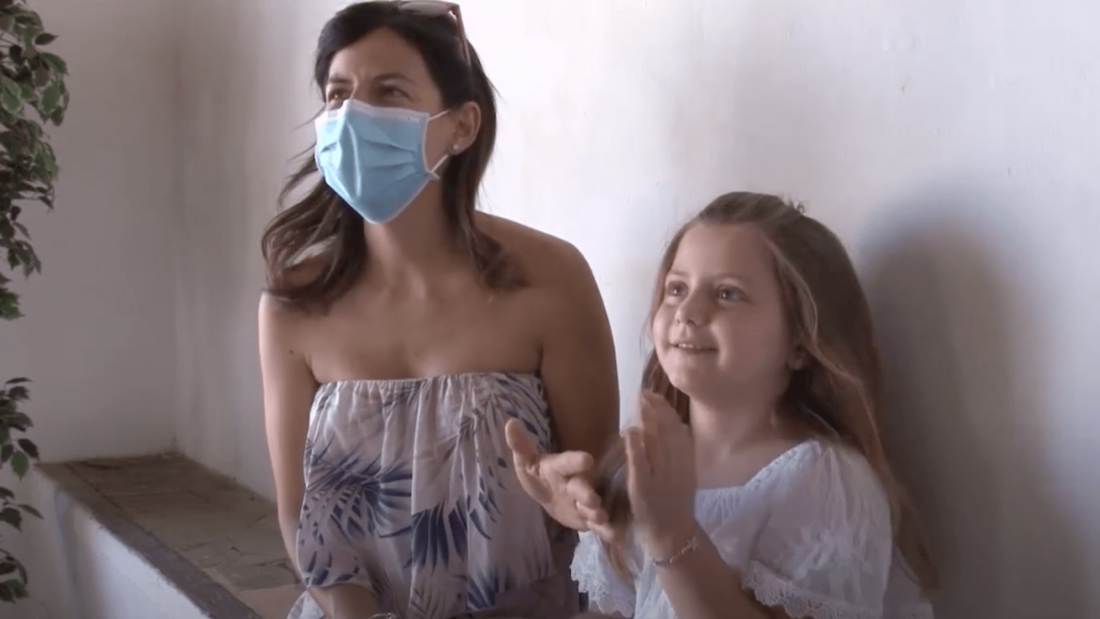
Now we introduce you to Aroa, a 6-year-old girl who suffers from a rare disease called phenylketonuria. Also known by the acronym PKU, this metabolic disorder can cause brain damage if each patient is not closely monitored. For this reason, Aroa’s family has organized a raffle supported by The PKU Foundation so that researchers can create a device capable of making daily monitoring in a simpler way and thus being able to gain quality of life.


Video Shown on the Television of Ibiza and Formentera

2-Alba tiny

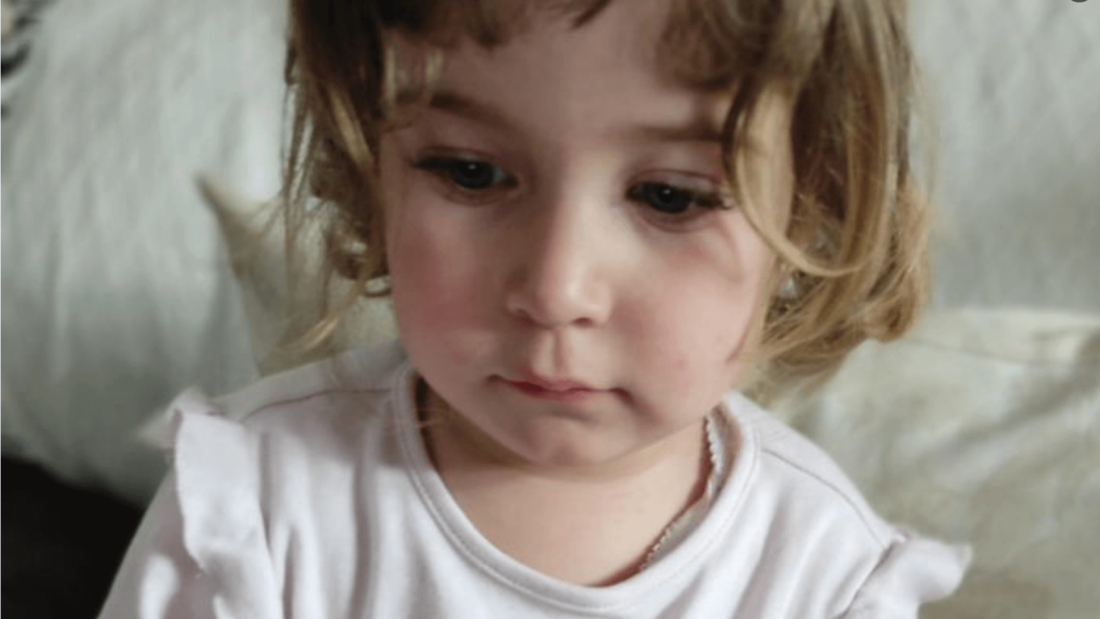
“Alba has eaten 20 grams of meat. It seems misery, but it is a lot”

A family from Tarragona recounts their day-to-day with a rare disease that forces them to control the amount of proteins they eat and how a biosensor would make life easier for them.

Alba is two years old and 10 days after birth, thanks to the heel prick test, she was diagnosed with phenylketonuria or PKU. It is a rare, hereditary and incurable disease that, without strict control of protein intake, can lead to serious problems in your neurological development.

Her mother, Cristina Amaya, says that despite everything one of the advantages over other rare diseases is that it is diagnosed very early, which allows starting treatment and diet from the beginning of life.

And it is that babies who suffer from this disease are born without problems, since until the moment of delivery it is her mother who metabolizes all the compounds. The tricky begins when they begin to ingest milk, even if it is breastfeeding, because phenylalanine, the amino acid that causes them problems, begins to accumulate. Then a “metabolic error” occurs, which can have negative consequences for the child, from a certain degree of developmental delay to irreversible brain damage, which will not be detected for a few months.

In Alba’s case, there are no other family members who suffer from the disease, neither her father, Jordi, nor her older brother, Marc, nor other members of the family.


Weigh and measure in detail

As soon as they started feeding, they had to start measuring the amount of breast milk that Alba was drinking, because she had to supplement it with a special preparation. Since then her family has started a strict routine that consists of measuring and weighing every food she eats. And, despite what most people know, proteins are even in flour or vegetables.

For Alba’s family, as for many others, finding low-protein foods is complicated and expensive. The PKU Foundation has a food bank at the Sant Joan de Déu Hospital (HSJD), in Barcelona, where they can buy specific products such as pasta, flour, cookies, cheeses, cereals… Although with the pandemic they have had difficulties moving around, so they have ended up doing it online. “If products for coeliacs are expensive, these are much more expensive,” explains Cristina.

The sensor they are developing will make it possible to monitor the disease in real time, at home

In spite of everything, Alba is fine, she tolerates the medication and “today she has eaten 20 grams of meat. It may seem a pittance, but in reality it is a lot for her”,  says her mother. The amount leaves us wondering and, indeed, 20 grams are more or less the weight of a box of a chocolate bar (one ounce).

The importance of control

But in addition to controlling the diet, the other crucial point for children like Alba to be well is to control the protein levels in their blood to know that they are metabolizing well and that they do not accumulate. In our case, the controls are made once a week with a drop of blood on a test strip that is sent by mail to the Sant Joan de Déu Hospital for analysis. The problem is that from the moment the sample is taken until the results are obtained, it can take several days.

That is why families are hopeful with the development of a biosensor that can be used at home, that allows to have data at the moment, and that will serve to control these and other metabolic diseases.

This biosensor, similar to the devices used to control insulin in diabetics, is being developed between the Sant Joan de Déu Hospital and the Autonomous University of Barcelona. The PKU Foundation is running a crowdfunding campaign to fund the research.

Having the biosensor will not prevent from continuing to control the diet, but for families like Alba’s it will mean living much more relaxed knowing that they are well controlled.

And it will keep away the fear of a crisis with serious consequences for the child.


slider-03-1305x450

The Foundation: Interview with its President

Interview with its President, Lula Vila (by GD Enterprise)

GDEnterprise: What are inherited metabolic diseases? What does it mean to have a family member with this disease? How many people are affected by these diseases in Spain?

Answer Lula Vila: They are a group of congenital diseases that affect protein metabolism, the person who suffers from it is unable to transform the food they eat well and these become acids that affect vital organs such as the brain.

Hereditary metabolic diseases are included within rare diseases since their incidence is very low, being one affected for every ten thousand births.

Having an affected family member means keeping a strict control of the protein intake in the diet. They must follow a strict and protein-restricted diet throughout their lives. Low-protein products are expensive and hard to come by.

It is very important that proteins are kept within the optimal levels for each person, to avoid toxicity and promote good growth and development of the person.

In Spain there is still no exact record of the number of affected, but we know that a work is being carried out to compile births with hereditary metabolic diseases since 1969.

Q: Since when does the Association that gave rise to this Foundation exist? What is your journey and what have you achieved in this short course?

A: The Catalan Association PKU and other hereditary metabolic disorders, was created in 2001 by a group of parents with children affected by these diseases. It is a voluntary and non-profit association, which aims to support families on a psychological and social level, collaborating with the teams of doctors from the different reference hospitals and organizing family encounters.

Our journey is based mainly on giving visibility to this group of metabolic diseases, making the population aware of our existence and denouncing the needs that we do not have covered by the health system.

In 2012 and thanks to the collaboration of the team of doctors who treat our children, we created and managed at the Sant Joan De Deu Hospital in Barcelona the first bank of special low-protein foods, where families can get special foods without having to pay the high prices of the distribution houses.

One of the main objectives of the Foundation is to discover possible ways of partial or total cure for these diseases.

“Through the Sant Joan de Déu Hospital in Barcelona we manage the first bank of special low-protein foods”

Q: How much is really known about inherited metabolic disorders? There is a long way to go?

A: They are little or no known diseases because the prevalence is small, that is why they are included in the group of minority diseases. As they are minority diseases, they fall into the group of rare diseases.

At present, we have to make sure that the treatment of these diseases is to reduce, control or eliminate proteins from the diet and supplement the diet with an amino acid formula three times a day.

There is still a long way to go, although we have great hope in the studies that are being carried out on hereditary metabolic diseases, especially with gene therapy (it consists of replacing the defective gene with a healthy one), although we sense it in a still very distant future.

Q: What does comprehensive care like the one you develop in the organization entail? What panorama exists in Spain related to helping these diseases?

A: Those of us who are part of the Board of Directors of the PKU and OMD Foundation are volunteers, parents who have gone through the same thing and we try to make the new ones feel as protected as possible, but it is not easy, since we lack the personal information at the time of birth.

Newcomers, as a general rule and in recent years, contact us through social networks. In Spain, not all communities treat hereditary metabolic diseases in the same way. I know that work is being done to unify the treatment criteria so that all newborns have the same treatment opportunities regardless of their place of birth.

In some communities, essential foods such as bread, pasta, rice and special low-protein milk are supplied by the same referral hospital in charge of public health.

Here in Catalonia this does not happen, each family has to look for low-protein foods on their own, that is why we decided to open the special food bank.

Q: How important is scientific research in this field? Do you have a medium or long-term fundraising objective for a specific project?

A: For us it is very important to continue research, although we are aware of the difficulty, since we are a very small group that does not interest pharmaceutical companies due to their low return.

Currently, in order to know the protein levels, we must go to the hospital and perform a blood test or take a sample there. This is a great waste of time and not knowing the results for a few days.

From this need comes the foundational objective, which is to raise funds for the research of a biosensor to be able to measure proteins in blood at home, similar to what diabetics have to measure glucose levels.

We have the collaboration of the laboratory of the Hospital San Joan De Deu in Barcelona and the Biosensors development team of the Autonomous University of Barcelona.

Due to COVID we have had to suspend all the events that we organized, that is why we have initiated a crowdfunding action to cover the objectives with the help of donors, and all people sensitive to the serious difficulties to fight against rare diseases that affect our kids.