A family from Tarragona recounts their day-to-day with a rare disease that forces them to control the amount of proteins they eat and how a biosensor would make life easier for them.
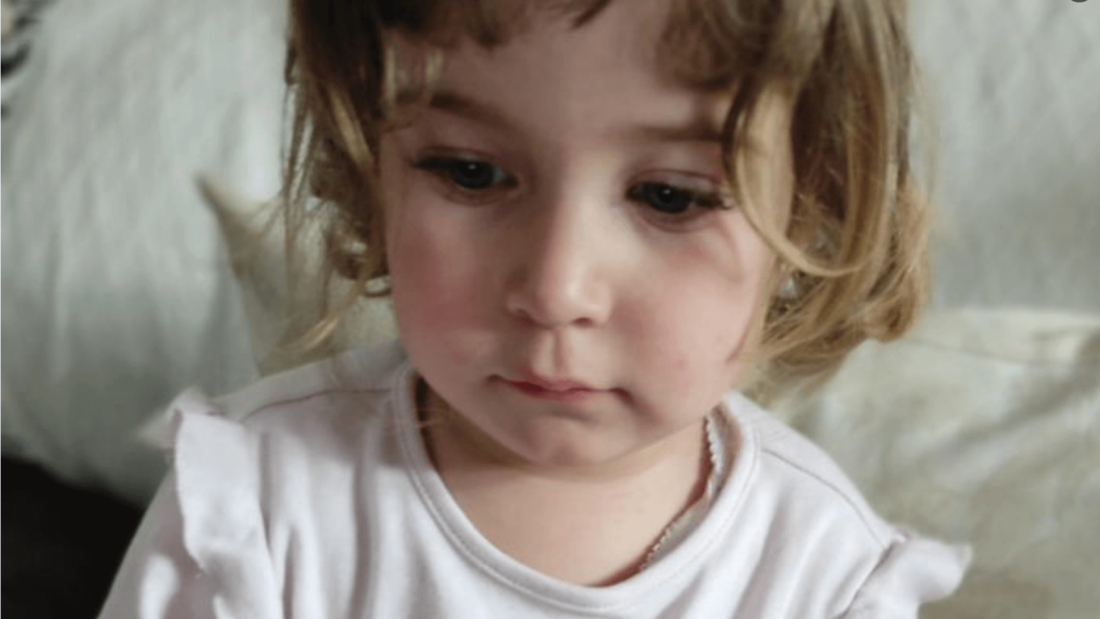
Alba is two years old and 10 days after birth, thanks to the heel prick test, she was diagnosed with phenylketonuria or PKU. It is a rare, hereditary and incurable disease that, without strict control of protein intake, can lead to serious problems in your neurological development.
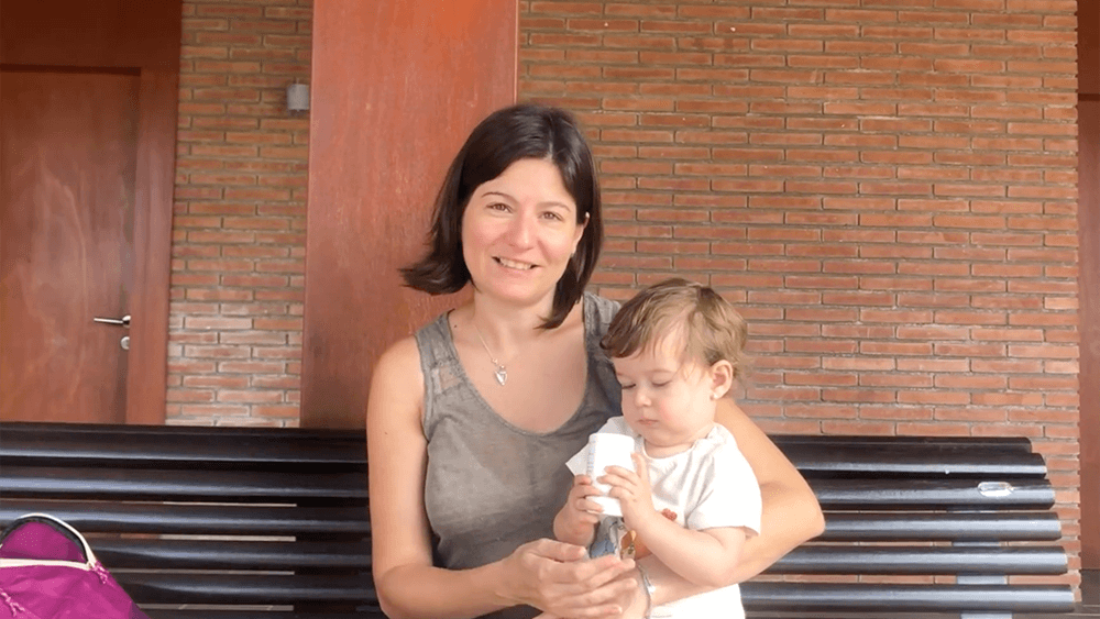
Her mother, Cristina Amaya, says that despite everything one of the advantages over other rare diseases is that it is diagnosed very early, which allows starting treatment and diet from the beginning of life.
And it is that babies who suffer from this disease are born without problems, since until the moment of delivery it is her mother who metabolizes all the compounds. The tricky begins when they begin to ingest milk, even if it is breastfeeding, because phenylalanine, the amino acid that causes them problems, begins to accumulate. Then a “metabolic error” occurs, which can have negative consequences for the child, from a certain degree of developmental delay to irreversible brain damage, which will not be detected for a few months.
In Alba’s case, there are no other family members who suffer from the disease, neither her father, Jordi, nor her older brother, Marc, nor other members of the family.
Weigh and measure in detail
As soon as they started feeding, they had to start measuring the amount of breast milk that Alba was drinking, because she had to supplement it with a special preparation. Since then her family has started a strict routine that consists of measuring and weighing every food she eats. And, despite what most people know, proteins are even in flour or vegetables.
For Alba’s family, as for many others, finding low-protein foods is complicated and expensive. The PKU Foundation has a food bank at the Sant Joan de Déu Hospital (HSJD), in Barcelona, where they can buy specific products such as pasta, flour, cookies, cheeses, cereals… Although with the pandemic they have had difficulties moving around, so they have ended up doing it online. “If products for coeliacs are expensive, these are much more expensive,” explains Cristina.
The sensor they are developing will make it possible to monitor the disease in real time, at home
In spite of everything, Alba is fine, she tolerates the medication and “today she has eaten 20 grams of meat. It may seem a pittance, but in reality it is a lot for her”, says her mother. The amount leaves us wondering and, indeed, 20 grams are more or less the weight of a box of a chocolate bar (one ounce).
The importance of control
But in addition to controlling the diet, the other crucial point for children like Alba to be well is to control the protein levels in their blood to know that they are metabolizing well and that they do not accumulate. In our case, the controls are made once a week with a drop of blood on a test strip that is sent by mail to the Sant Joan de Déu Hospital for analysis. The problem is that from the moment the sample is taken until the results are obtained, it can take several days.
That is why families are hopeful with the development of a biosensor that can be used at home, that allows to have data at the moment, and that will serve to control these and other metabolic diseases.
This biosensor, similar to the devices used to control insulin in diabetics, is being developed between the Sant Joan de Déu Hospital and the Autonomous University of Barcelona. The PKU Foundation is running a crowdfunding campaign to fund the research.
Having the biosensor will not prevent from continuing to control the diet, but for families like Alba’s it will mean living much more relaxed knowing that they are well controlled.
And it will keep away the fear of a crisis with serious consequences for the child.